
"Arabica Philippines"
200 article(s) found

Coffee producing area Coffee introduction to the Philippines
There is a bright future. Coffee was introduced into the Philippines (Philippines) in the early 19 th century, and by 1880 the country had become the world's fourth largest coffee exporter. However, due to the spread of coffee rust, the country became a coffee importer soon after 1880. However, the coffee growing industry has gradually recovered. Today, after slow and steady development, the country's coffee industry is growing.
Boutique coffee bean producing countries introduce Philippine coffee
Coffee was introduced into the Philippines (Philippines) in the early 19th century and by 1880 the country had become the fourth largest coffee exporter in the world. However, due to the spread of coffee rust, the country became a coffee importer soon after 1880. However, the coffee growing industry has gradually recovered. Coffee production in the Philippines: the Philippines is one of the few countries that can grow four varieties of coffee.

Global Coffee producing area-Philippine Coffee Market
Coffee was introduced into the Philippines (Philippines) in the early 19th century and by 1880 the country had become the fourth largest coffee exporter in the world. However, due to the spread of coffee rust, the country became a coffee importer soon after 1880. However, the coffee growing industry has gradually recovered. Coffee production in the Philippines: the Philippines is one of the few countries that can grow four varieties of coffee.
Philippine Coffee the characteristics and market of Philippine coffee
Coffee was introduced into the Philippines (Philippines) in the early 19th century and by 1880 the country had become the fourth largest coffee exporter in the world. However, due to the spread of coffee rust, the country became a coffee importer soon after 1880. However, the coffee growing industry has gradually recovered. Coffee production in the Philippines: the Philippines is one of the few countries that can grow four varieties of coffee.

Philippine Coffee produces Arabian Coffee with High quality and High yield
Coffee was introduced into the Philippines (Philippines) in the early 19 th century, and by 1880 the country had become the world's fourth largest coffee exporter. However, due to the spread of coffee rust, the country became a coffee importer soon after 1880. However, the coffee growing industry has gradually recovered. Today, after slow and steady development, the country's coffee industry continues to grow and develop high-quality varieties.
What are the growing places of Philippine coffee flavor coffee?
Coffee was introduced into the Philippines (Philippines) in the early 19th century, and by 1880 the country had become the fourth largest coffee exporter in the world. However, due to the spread of coffee rust, the country became a coffee importer shortly after 1880. However, the coffee growing industry has gradually recovered. Today, after slow and steady development, the country's coffee industry continues to grow and develop quality.

Coffee bean production reduced coffee production in the Philippines in 2014
According to a report in the Business Mirror on February 4, the output of Robusta coffee in the Philippines in 2014 was 7.56t, down 4.06% from the same period last year, and the export of 12000 bags (60kg / bag) doubled from the same period last year. Robusta coffee has high yield, strong resistance to insects and diseases, and is widely planted in the Philippines, accounting for more than 70% of the total output of the Philippines. The Philippines is located in the tropics and the soil is volcanic rock soil.
What is the quality of Southeast Asian boutique coffee beans? Vietnam, Philippines, Thailand, coffee beans taste good?
Asia is also a coffee-producing region, and internationally famous coffee beans include Indonesia's Mantenin and Baoshan small-grain coffee in Yunnan, China. But in fact, Southeast Asia has been the main coffee producing area in Asia, in addition to Indonesia, there are countries such as Vietnam. And Indonesia is the first large-scale coffee growing in the world.
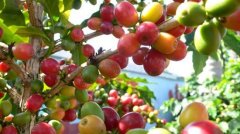
Philippine Coffee Variety Robbins Terrika Exelsa Arabica Coffee beans
The growth environment of boutique coffee beans also has higher requirements. Generally grow at an altitude of 1500 meters or even more than 2000 meters above sea level, with appropriate precipitation, sunshine, temperature and soil conditions. Some world-famous coffee beans also have a special geographical environment, such as the alpine clouds in the Blue Mountains, the free shade provided by the afternoon clouds in Kona, and the volcanic ash soil in Antigua.
A brief introduction to the Origin, output and Flavor of Philippine Coffee in Asia
Coffee was introduced into the Philippines (Philippines) in the early 19th century, and by 1880 the country had become the fourth largest coffee exporter in the world. However, due to the spread of coffee rust, the country became a coffee importer shortly after 1880. However, the coffee growing industry has gradually recovered. Today, after slow and steady development, the country's coffee industry continues to grow and develop quality.
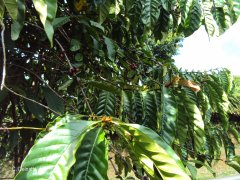
What kind of coffee do Liberica coffee beans belong to? How does Liberia compare with Arabica?
There are more than 120 identified species of coffee. Producers, traders, roasters, baristas and consumers will be mainly familiar with two of them: Arabica coffee and robusta coffee. However, the third species after these two species is mainly grown in Southeast Asia: free coffee. Today, it has become the main species of coffee grown in Malaysia and the Philippines. So, lib
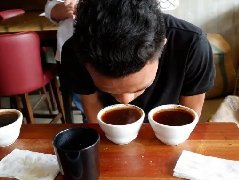
Philippine Coffee: seeking Development in the double barriers of abnormal Climate and cheap imported Coffee
Professional coffee knowledge exchange more coffee bean information please follow the coffee workshop (Wechat official account cafe_style) the Philippines is a coffee producer. The country's different topography and climate make it suitable not only for growing Robusta, but also for Arabica, Liberia and Excelsa. But in recent years, the Philippines has not produced enough to support its coffee consumption.

Fine Coffee Culture in the Philippines
Coffee culture in the Philippines is undergoing its third reform, which is what we call the "third wave". Filipinos are already familiar with instant coffee, the traditional and rare coffee variety Barako and coffee chains.

Philippine Coffee Southeast Asian Coffee Culture
Coffee tree is a small evergreen tree of Rubiaceae. Coffee for daily consumption is made from coffee beans combined with various cooking utensils, and coffee beans refer to the nuts in the fruit of coffee trees, which are then baked in an appropriate way. The taste of a standard cup of coffee should not be bitter, and a qualified barista will strictly carry out every step when making coffee.
General knowledge of Fine Coffee Culture Fine Coffee Culture in the Philippines
The coffee culture of the Philippines is undergoing its third reform, which is what we call the third wave. Filipinos are already familiar with instant coffee, the traditional and rare coffee variety Barako and coffee chains. Local boutique coffee also plays an important role in Philippine coffee culture, and everyone is open to accepting and learning new things. Philippine boutique coffee

% arabica Coffee has been abandoned by foreign cooperative agents to create a Philippine local coffee brand.
Some time ago, the coffee workshop reported that Filipino netizens posted that all local arabica coffee shops suddenly locked their doors, so local netizens and the media asked% arabica if he was going to withdraw from the Philippine market. Later,% arabica announced him on Facebook.
Philippine coffee Southeast Asian coffee boutique coffee
Boutique coffee is fresh coffee. Whether it's food or drink, of course, the fresh the better, and so is boutique coffee. High-quality coffee should keep the coffee beans fresh before making, including the preservation of baked beans, and grind the coffee beans into powder before making, which is also to retain its original and best flavor. And the way of making hand-made coffee is such a way to make high-quality coffee.
Introduction of three Coffee varieties
Arabica variety (Arabica) is suitable for plateau cultivation, Robesta variety (Robusta) is suitable for lowland cultivation, and Liberian variety (Liberica) is suitable for minimum cultivation.
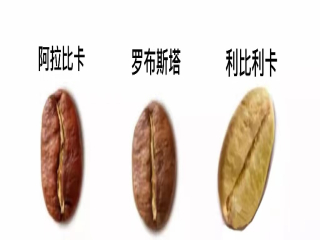
Liberica coffee beans introduce in detail the three major coffee varieties, libilica large-grained coffee, why no one grows it.
We have three common native species of coffee, namely, Arabica, Robusta, and Liberika. Coffee trees are evergreen shrubs or small trees of the Rubiaceae family. They grow in the tropics and subtropics. Coffee trees have white tube-shaped flowers that look like jasmine and give off the fragrance of jasmine. Today
Basic information on coffee varieties
Suitable cultivation conditions: Arabica variety (Arabica) is suitable for plateau cultivation, Robesta variety (Robusta) is suitable for lowland cultivation, and Liberian variety (Liberica) is suitable for minimum cultivation. Production: the Arabica variety (Arabica) accounts for about 70-80% of the world's total output; the Robesta variety (Robusta) accounts for about 20-30% of the world's total output of Liberian varieties (Liberica)